
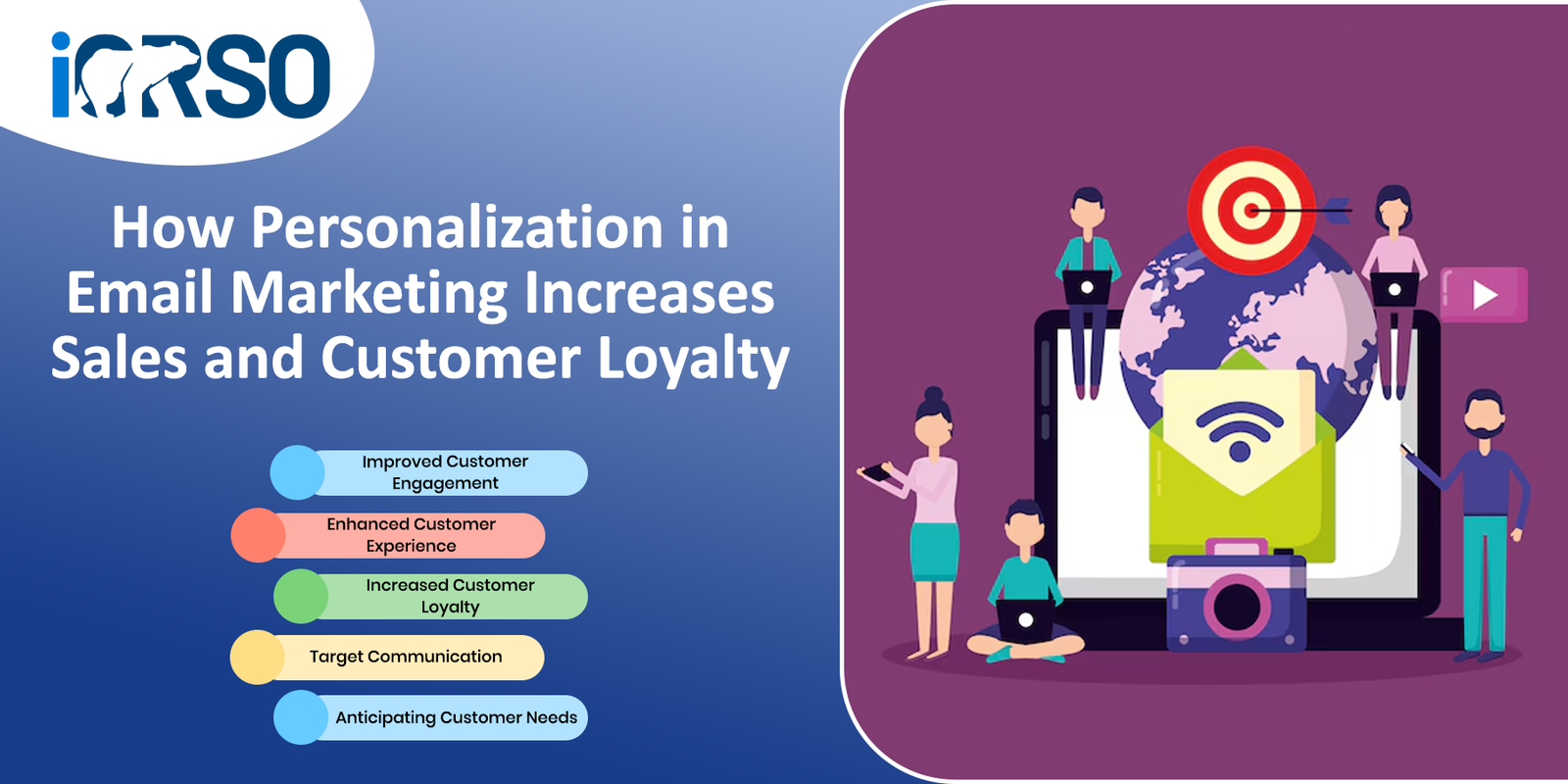
Generic email blasts do not work anymore. People delete emails that feel like spam. But when an email speaks to them by name, shows products they actually care about, and arrives at the right time, they open it, click it, and buy. Email personalization is the difference between emails that sell and emails that get ignored. Research shows that personalized subject lines get 26 percent more opens, and businesses that use advanced personalization see up to 760 percent more revenue from email. Here is how to make it work for Your Business.
Why Personalized Email Works Better
People get dozens of marketing emails every day. Personalization cuts through the noise by making each email feel relevant to the person reading it. When someone sees their name, a product they browsed, or a deal on something they care about, they pay attention.
Here is what personalized emails do better than generic ones:
- Higher open rates. Subject lines with names or past behavior get more opens
- More clicks. Content that matches interests gets more engagement
- Stronger loyalty. People feel valued when you treat them as individuals
- More sales. Relevant product suggestions lead to more purchases
Instead of sending “Check out our new collection” to everyone, a personalized email says “John, here are new arrivals based on what you bought last month.” That small change makes a big difference in results.
The Psychology Behind Email Personalization
Personalization works because of how our brains process information. We are drawn to things that feel like they were made for us. When an email uses your name, shows products you have looked at, or mentions your past purchases, it triggers several responses:
- The name effect: Seeing your own name creates an instant connection
- Relevance: We engage more with content that matches our current interests
- Trust: Personalized emails feel like conversations, not ads
- Urgency: Limited-time offers feel more pressing when they match what you want
An email that says “Sarah, your favorite skincare products are back in stock” creates both excitement and urgency. That drives clicks and sales.
Personalization Tactics Compared
| Tactic | Effort Level | Impact on Sales | Best For |
|---|---|---|---|
| Name in subject line | Low | 26% more opens | All businesses |
| Product recommendations | Medium | Up to 35% of revenue (Amazon model) | E-commerce and retail |
| Behavior-triggered emails | Medium | 3x higher conversion vs. batch sends | Any business with website tracking |
| Dynamic content blocks | Medium | Higher engagement across segments | Businesses with diverse audiences |
| Birthday and anniversary emails | Low | 300% higher sales than standard promos | Retail, hospitality, services |
| VIP exclusive offers | Low | Higher retention and repeat purchases | Businesses with loyalty programs |
How Personalization Drives More Sales
Personalized Product Recommendations
Use purchase history and browsing behavior to suggest products each customer will actually want. Amazon earns 35 percent of its revenue from these recommendations. You can do the same on a smaller scale with tools like Klaviyo or ActiveCampaign.
Behavior-Triggered Emails
Send emails based on what someone just did on your site. If they added items to their cart but did not check out, send a reminder. If they viewed a product page three times, send a special offer. These emails work because the person already showed interest.
A Simple abandoned cart email like “Still thinking about it? Here is 10 percent off to finish your order” can recover a large share of lost sales.
Dynamic Content for Different Audiences
One email template can show different content to different people. A fitness brand could send workout tips to beginners and supplement deals to advanced users, all from the same email send. This saves time while keeping every message relevant.
VIP and Loyalty Rewards
Give your best customers early access to sales, exclusive discounts, or special perks. An email that says “Michael, you are one of our top customers. Enjoy early access to our spring sale” makes people feel special and keeps them coming back.
How Personalization Builds Customer Loyalty
Loyal customers spend more, refer more people, and stay with your brand longer. Personalization builds that loyalty by making every interaction feel thoughtful:
- Birthday emails with a special offer can boost sales by over 300 percent
- Loyalty program reminders encourage repeat purchases by showing points or perks
- Post-purchase follow-ups improve satisfaction and reduce the chance of losing a customer
These small touches add up. Over time, they turn one-time buyers into long-term fans of your brand.
Tools for Email Personalization
You do not need a big budget or a tech team to personalize your emails. These platforms make it simple:
- ActiveCampaign and HubSpot. Advanced segmentation and automation
- Klaviyo and Mailchimp. Great for e-commerce personalization
- Omnisend and Drip. Multi-channel automation for personalized campaigns
Start with these five strategies right now:
- Segment your list by behavior, demographics, and purchase history
- Use dynamic content blocks that change based on who opens the email
- Add the recipient’s name to subject lines and greetings
- Set up triggered emails for cart abandonment, product views, and purchases
- Use AI to predict the best send times and suggest content
How to Measure Your Results
Track these metrics to see if your personalization is working:
- Open rate: Are more people opening your emails?
- Click-through rate: Are they clicking your links and offers?
- Conversion rate: Are personalized emails leading to actual sales?
- Unsubscribe rate: If this goes up, your emails may feel too frequent or off-target
Use A/B testing to try different personalization methods and see what your audience responds to best. Test subject lines, send times, product blocks, and CTAs one at a time so you know what makes the difference.
Got Questions? We Have Answers
Is email personalization only about using someone’s name?
No. Names are just the starting point. Real personalization includes product suggestions based on behavior, triggered emails based on actions, dynamic content that changes per reader, and send-time optimization. The more relevant each email feels, the better it performs.
How much does email personalization cost?
Most email platforms include personalization features in their standard plans. Tools like Mailchimp start free and scale up as your list grows. The return on investment is high because personalized emails consistently outperform generic ones.
Can personalization feel creepy to customers?
It can if you go too far. Stick to data the customer knowingly shared with you, like purchase history, stated preferences, and browsing on your own site. Avoid referencing data that feels invasive. When done right, personalization feels helpful, not creepy.
How do I start if I have never personalized emails before?
Start simple. Add names to subject lines and set up one triggered email, like an abandoned cart reminder. Once you see results, add product recommendations and dynamic content blocks. Build your system one step at a time.
Ready to Send Emails That Actually Sell?
At iORSO, we build email marketing strategies that connect with your audience and drive real revenue. Whether you need segmentation, automation, or AI-powered personalization, we are here to help. Contact us today to get started.